General Liability Insurance with Smart Risk Management for Business | Lindquist Ins
Ray Cogan
Now is the Time to Review Contracts, Budgets, and Liability Insurance Policies.
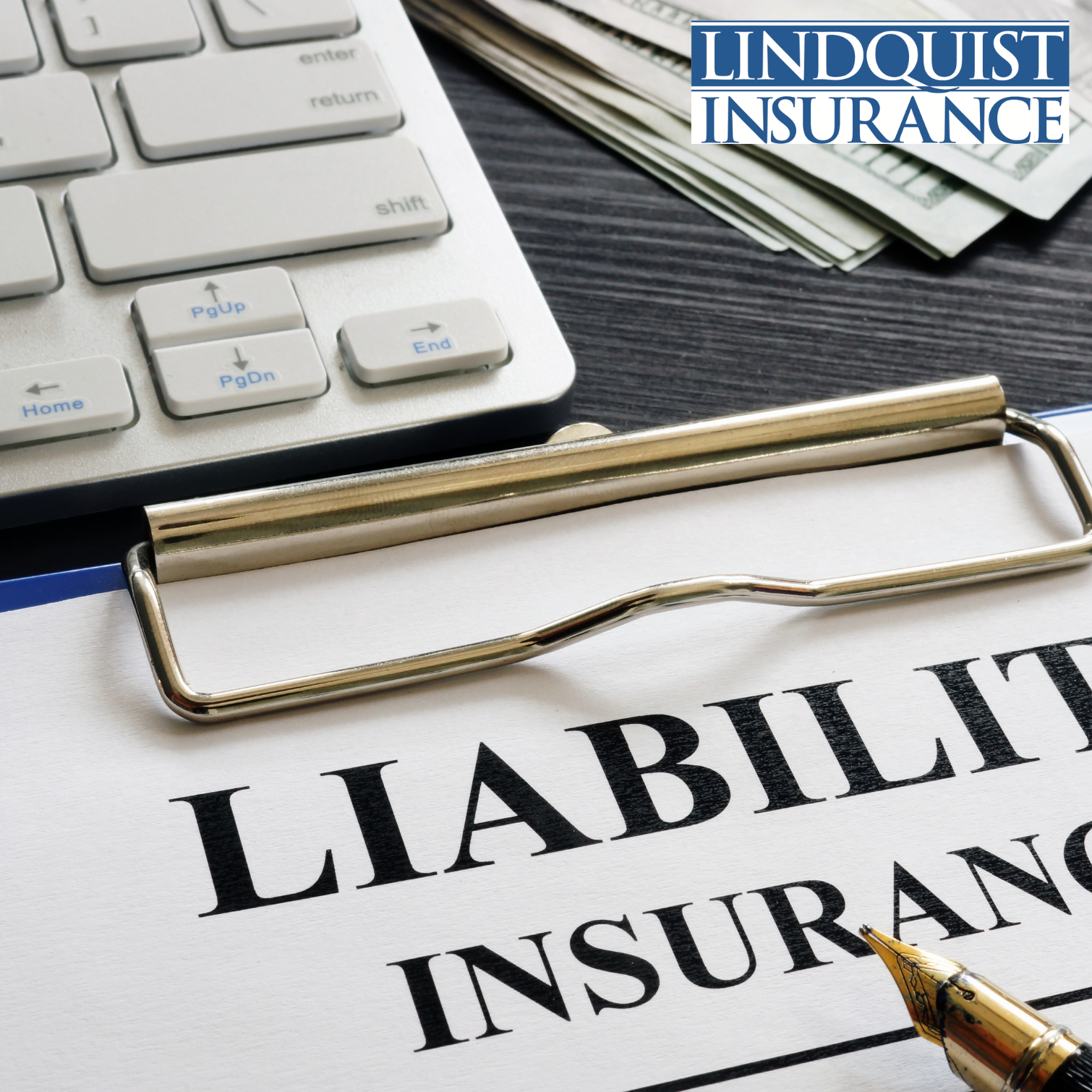
Building a safer 2026 for your business starts with a New Year’s resolution: pair solid general liability insurance with intentional, everyday risk management so one accident does not derail everything you have built. As regulations, legal risks, and customer expectations develop, this combination of coverage plus prevention is what keeps a claim from becoming a crisis.
A new year is a natural checkpoint to review contracts, budgets, and insurance instead of just letting policies auto‑renew. In Maryland, many landlords, clients, and vendors now require proof of general liability insurance in leases and service agreements—even when it is not mandated by law.
Maryland resources remind business owners to contact the Maryland Insurance Administration and review commercial coverage as part of starting and maintaining a business. Local, independent agencies like Lindquist Insurance can translate those requirements into practical, right‑sized protection for your specific business risk. ***
General liability insurance (“commercial general liability” or CGL) covers many of the everyday risks that can generate expensive lawsuits. A standard policy typically responds to third‑party claims of bodily injury, property damage, and personal/advertising injury, along with certain legal defense costs.
For example, a slip‑and‑fall in your office, damage to a client’s property while you are working at their location, or a claim that your advertising harmed another business can all fall under general liability. In Maryland, most small businesses that interact with the public, retail, contractors, professional services, and more, are strongly encouraged to carry this coverage even when it is not legally required.
Maryland’s business environment makes liability protection particularly important. While the state generally does not mandate general liability coverage by statute, many commercial leases, vendor contracts, and project agreements require you to maintain it and list other parties as additional insureds.
State‑focused resources also stress that:
- Workers’ compensation is mandatory for most employers, and general liability often sits alongside it in a broader protection strategy.
- Clients and landlords may insist on minimum limits, often 1 million dollars per occurrence and 2 million dollars aggregate—before you can sign a lease or start work.
Lindquist Insurance understands these local requirements and can help you align your limits, additional‑insured language, and certificates of insurance with what Maryland partners and counterparties expect.
Insurance responds after something goes wrong; risk management aims to prevent or lessen those incidents in the first place. When you combine both, you improve your claims history, keep premiums more predictable, and protect your reputation.
Practical steps for 2026:
- Formal safety procedures: Document and train on basics such as housekeeping, visitor safety, ladder use, and equipment handling. This may reduce the chance of bodily injury claims.
- Premises checks: Regularly inspect walkways, lighting, signage, handrails, parking areas, and customer spaces to address hazards before they cause accidents.
- Contract review: Work with legal and insurance professionals to review contracts for indemnity and insurance clauses, making sure you are not taking on uninsurable obligations.
- Incident documentation: Establish a process to record any accident, near‑miss, or complaint with photos, statements, and timelines supporting both your defense and your insurer’s claims team.
Independent agents can help you connect these risk‑control practices with appropriate coverage, including whether you might benefit from a business owner’s policy (bundling general liability and property) or additional umbrellas.
To truly build a safer 2026, treat your general liability review like any other strategic business project and give it clear next steps.
- Take inventory of your exposures. Look at how customers, vendors, and the public interact with your business: in‑person, on job sites, and online.
- Check your existing policy and limits. Review per‑occurrence and aggregate limits, exclusions, and endorsements with a licensed agent, especially if your operations, locations, or revenue changed in 2025.
- Maryland requirements. Confirm your insurance setup supports compliance with Maryland workers’ comp rules, contract requirements, and any industry‑specific standards.
- Update risk‑management practices. Use early 2026 to refresh staff training, signage, maintenance logs, and incident procedures to reduce claim frequency and severity.
- Schedule an annual review. Put a recurring appointment on your calendar with your agent; treating insurance as a yearly checkup keeps your program aligned with your growth.
Make this New Year the moment you upgrade from “good enough” to truly aligned protection. Visit Lindquist Insurance
to request a business insurance review or quote, and let our team help you pair the right general liability policy with smart risk management so your business can grow with confidence throughout 2026 and beyond. Contact our team
of professional general liability insurance experts today.
We serve the Annapolis, MD, and Frederick, MD area.
*** Find out more at the Maryland.Gov website.

Make this the year you actually check “review my homeowners insurance” off your list. Visit Lindquist Insurance to request a personalized homeowners’ policy review or quote, and let a live local agent help you update your coverage, uncover potential discounts, and an updated homeowners insurance plan.

Our insurance agency staff in Frederick can help you evaluate your insurance needs for 2026. Starting the new year with confidence in your coverage brings peace of mind.
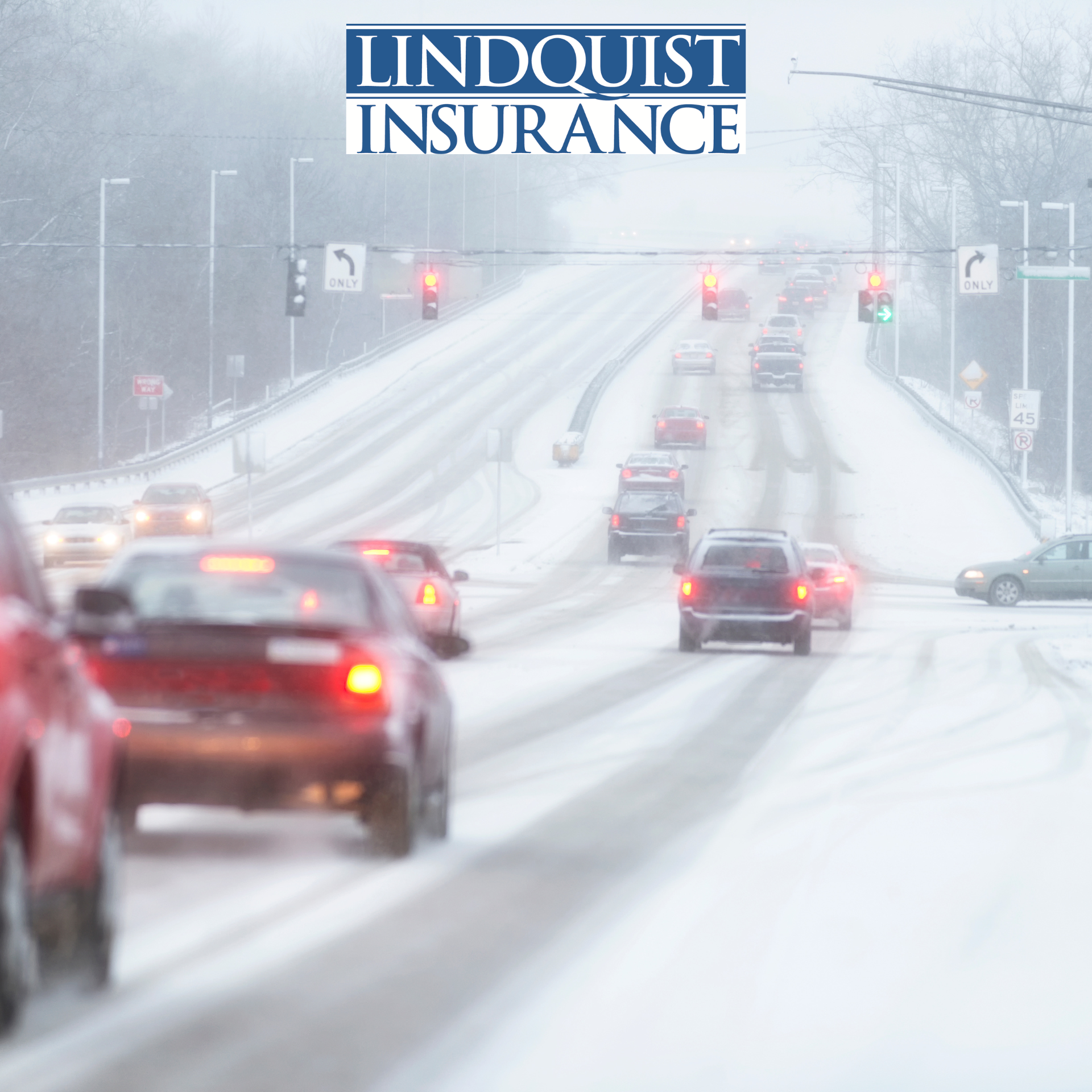
We offer car insurance in Frederick. Winter driving increases accident rates during the holiday season. Be sure your car insurance coverage is adequate for winter driving.
We offer commercial property insurance in Frederick to protect your business from seasonal risks. Call us today for a free review of your commercial property insurance needs.

We offer general liability insurance in Frederick to protect your business from costly claims. Call Lindquist Insurance today for a customized review and quote.

Our insurance agent based in Frederick provides tips for fall protection. We can help you balance protection and affordability so you’re ready for anything the season brings.

We offer business insurance in Frederick. Learn how to avoid the most common business insurance mistakes. Contact us today to schedule your free business insurance review.

Our insurance agent based in Frederick has provided a checklist to help you prepare for the season ahead. Contact us today and let us help you prepare.

We offer car insurance in Frederick. Learn about five common fall driving hazards and how car insurance helps keep you protected. Contact us today to review your policy.
Share On: